Google puts Nano Banana 2 Lite and Gemini Omni Flash in the developer pipeline


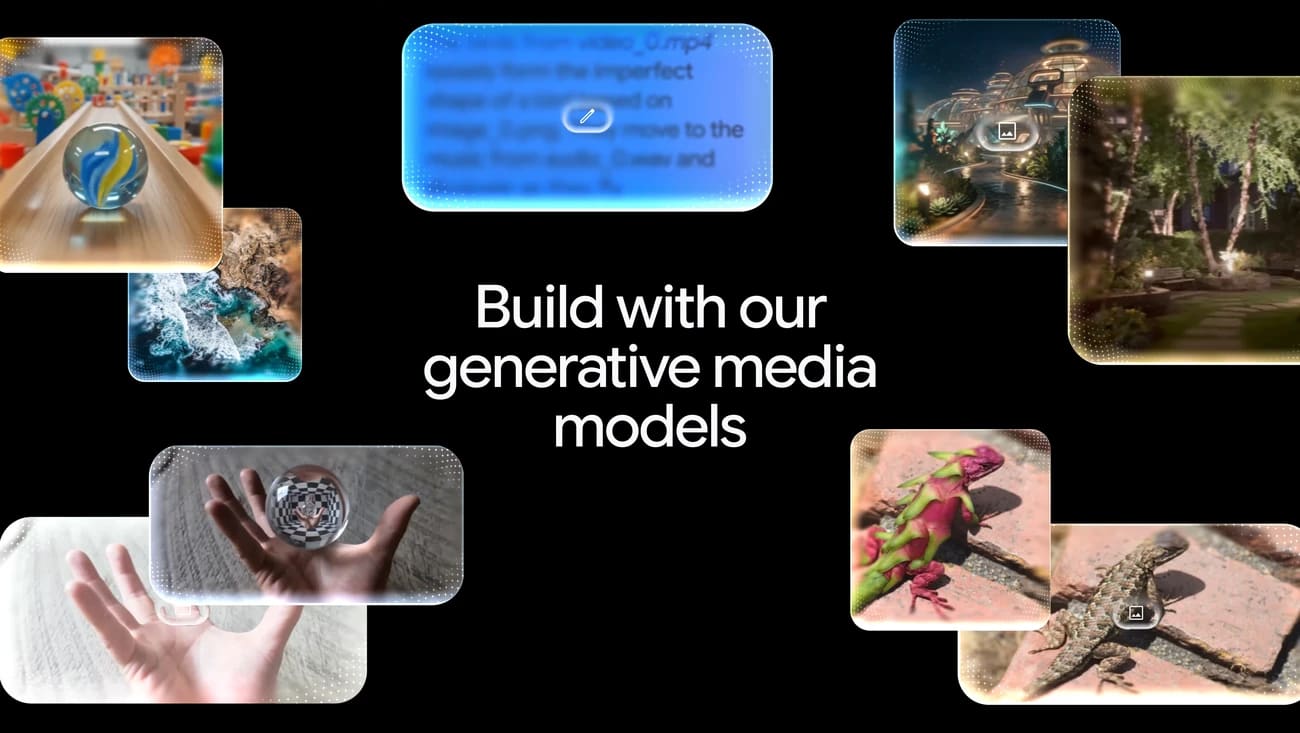
Google has made Nano Banana 2 Lite and Gemini Omni Flash available for builders, pairing fast image generation with conversational video workflows.
Google has confirmed that Nano Banana 2 Lite and Gemini Omni Flash are available for builders. Confidence level: confirmed for developer availability, with Gemini Omni Flash still framed as preview availability in supporting coverage. The practical change is a faster image-to-video workflow: generate images with Nano Banana 2 Lite, then use Gemini Omni Flash for video generation and conversational editing.
What changed
Google published the release on June 30, 2026, positioning Nano Banana 2 Lite as a high-speed image generation model and Gemini Omni Flash as a video generation and editing model. Google says builders can chain the two models and use the Interactions API to maintain session history for multi-turn creative edits.
Google Cloud says both models are available through Google AI Studio, the Gemini API, and the Gemini Enterprise Agent Platform. FoneArena independently reported the broader rollout and noted SynthID watermarking and verification support.
| Model | Best fit | Access | Cost/status | Caveat |
|---|---|---|---|---|
| Nano Banana 2 Lite | Fast image generation and iteration | AI Studio, Gemini API, enterprise platform | Positioned for speed and cost performance | Quality depends on prompt and reference material |
| Gemini Omni Flash | Video generation and conversational editing | AI Studio, Gemini API, enterprise platform | Public preview in coverage | Preview behavior can change |
| Interactions API | Multi-turn creative sessions | Developer workflow | Keeps edit context | Requires product-level design around state |
Why this is early
TestingCatalog flagged the Google model news quickly on July 1, but the publishable claim comes from Google and Google Cloud. This is not a rumor post: the models have official builder-facing pages and independent coverage.
It is still early for production planning because media-model pricing, preview limits, content-policy behavior, and latency under real app load need account-level verification.
Key takeaways
- Nano Banana 2 Lite targets fast image generation.
- Gemini Omni Flash targets video generation and conversational video editing.
- The strongest workflow is chaining image creation into video refinement.
- Google names AI Studio, Gemini API, and the Gemini Enterprise Agent Platform as builder surfaces.
- Teams should verify SynthID, policy behavior, pricing, and quota before client work.
Availability and access
Google says builders can start with both models today through AI Studio and the Gemini API. Google Cloud also points enterprise users to the Gemini Enterprise Agent Platform.
Consumer and workspace surfaces are broader, but LinkLoot readers building tools should verify the exact API model IDs, region support, rate limits, and preview terms in their own Google account before committing a production creative pipeline.
Practical LinkLoot angle
This is useful for product marketing, ecommerce creative, ad concepting, and tutorial visuals where speed matters more than a full manual editing pass. A practical workflow is: generate product-scene variants, choose one, animate it, then run a human review before publishing.
For more workflow examples, use LinkLoot's AI workflow automation guide and map each step to review gates: brand safety, likeness rights, watermarking, and final export approval.
What to verify before you act
- Confirm the model IDs and preview labels in Google AI Studio or the Gemini API.
- Check pricing, quota, and regional availability in your billing account.
- Test SynthID and content verification on exported assets.
- Run brand, likeness, and product-accuracy review before public ads.
- Compare output stability across repeated edits and the first render.
Source check
Confirmed by Google: Nano Banana 2 Lite and Gemini Omni Flash are builder-facing models for image and video workflows, with Google describing chained use through the Interactions API.
Supporting source: Google Cloud confirms developer and enterprise availability surfaces. Independent context: FoneArena reports availability, SynthID, and broader rollout details. LinkLoot will treat pricing, model-card, and API-changelog changes as update triggers.
It is Google's fast image generation model for rapid creative iteration.
Try the related loot
Make AI Image Prompts Work Better with the 6-Part MOSAIK Framework