Test Grok Voice with 21 new voices before choosing a call-agent stack


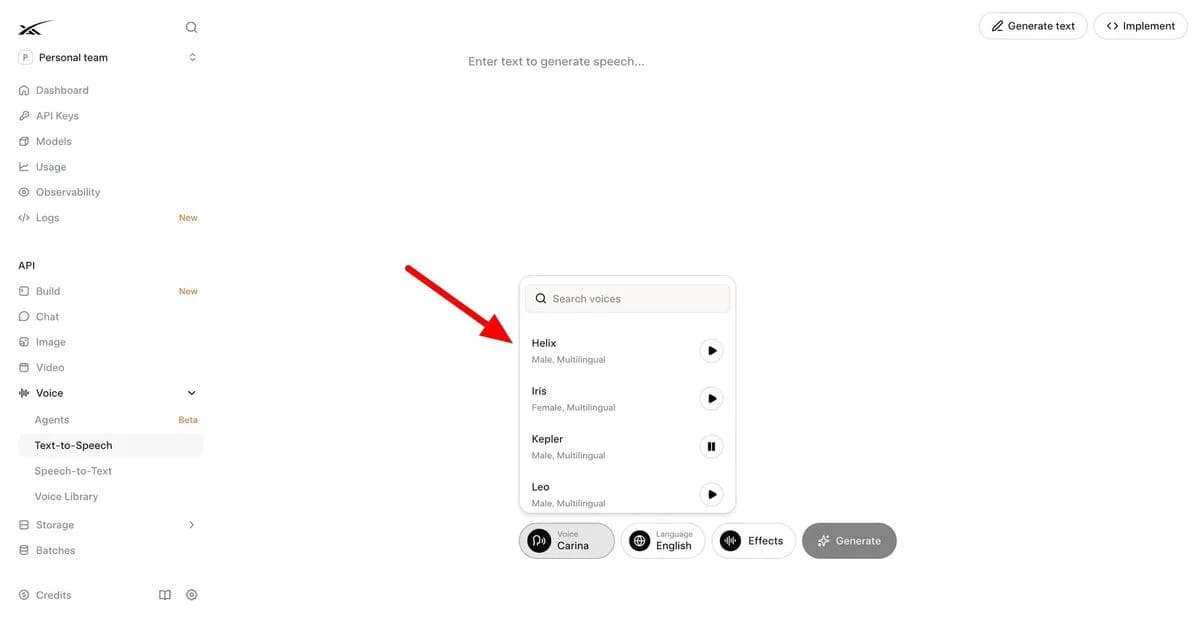
xAI added 21 multilingual Grok Voice voices across its realtime Voice Agent API, Text to Speech API, and Voice Agent Builder, giving teams more voice-agent options to test before committing to a call automation stack.
xAI has released 21 new flagship voices for Grok Voice. Confidence level: confirmed, because xAI's official announcement, xAI Voice documentation, and independent TestingCatalog coverage all point to the same rollout. The practical question is whether the expanded voice roster, realtime API, and pricing fit your support, sales, education, or narration workflow better than a multi-vendor voice stack.
What changed
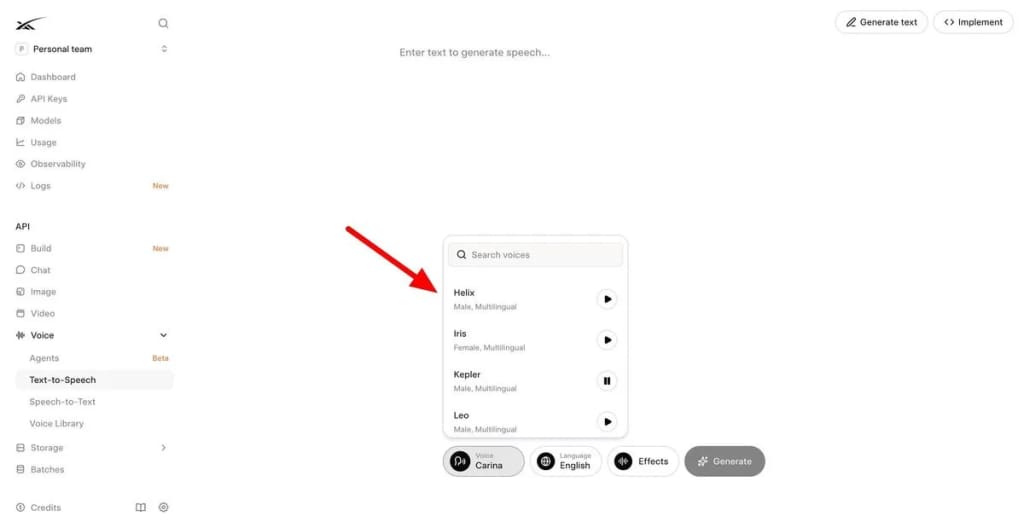
xAI says the 21 new Grok Voice voices join the original five, bringing the built-in lineup to 26 voices. The announcement says the new voices are multilingual and available in the realtime Voice Agent API, the Text to Speech API, and the Grok Voice Agent Builder.
TestingCatalog's July 7 coverage lists the practical scope: the rollout affects realtime voice agents, TTS output, and no-code voice-agent creation. xAI's Voice documentation also lists the new voice names, tone guidance, WebSocket realtime usage, TTS support, custom voices, and enterprise controls.
| Surface | Best fit | Access | Cost/status | Caveat |
|---|---|---|---|---|
| Voice Agent API | Realtime phone agents, assistants, and tool-using voice apps | xAI API over WebSocket | Pricing docs list realtime voice at $0.05/minute | Test latency and interruptions on real calls |
| Text to Speech API | Narration, support prompts, training audio, product voices | xAI API | Pricing docs list TTS at $15 per 1M characters | Voice style may need brand and consent review |
| Voice Agent Builder | No-code call-agent prototypes | xAI Console beta | Prior xAI material points to API-rate billing | Beta workflows need account-level validation |
| Custom Voices | Brand-controlled or role-specific voices | API creation is gated for enterprise use cases | Region and policy limits apply | Consent and jurisdiction rules matter |
Why this is early
This is early because TestingCatalog surfaced the console rollout quickly, while xAI's announcement and docs provide the official confirmation. The feature is not a rumored model name or a social-only leak; the public API docs already describe the voice stack and available built-in voices.
The limits are still important. Public pages do not replace account-specific testing for rate limits, regional availability, call recording policy, voice cloning permissions, telephony pricing, or enterprise data controls.
Key takeaways
- xAI expanded Grok Voice from five built-in voices to 26, according to its announcement and docs.
- The new voices are positioned for realtime agents, text-to-speech, and the Grok Voice Agent Builder.
- xAI's Voice docs describe WebSocket realtime sessions, TTS, STT, custom voices, tool use, and enterprise controls.
- Pricing docs list realtime voice at $0.05 per minute and TTS at $15 per million characters.
- Teams should test call quality, escalation, consent, and cost before moving production support or sales calls.
Availability and access
The voices are presented as available now through xAI's realtime Voice Agent API, Text to Speech API, and Voice Agent Builder. Developers can use grok-voice-latest or the versioned grok-voice-think-fast-1.0 model in the realtime API, according to xAI documentation.
Pricing should be verified before rollout. The xAI pricing page lists realtime voice at $0.05 per minute, realtime text input at $0.004 per message, TTS at $15 per million characters, and STT pricing for REST and streaming modes. Console limits, prepaid credit thresholds, telephony extras, and enterprise controls may change by account.
Practical LinkLoot angle
The useful test is not whether the new voices sound polished in a demo. The useful test is whether one xAI stack can replace separate STT, LLM, TTS, telephony, observability, and tool-calling pieces for one narrow workflow.
Use this checklist before picking a voice-agent stack:
- Run the same scripted call flow through Grok Voice and your current provider mix.
- Test interruptions, silence, background noise, accents, and caller frustration.
- Connect one real tool and one retrieval source before adding broader automation.
- Compare total cost per completed call, not only model or TTS unit pricing.
- Review consent, recording, custom voice, healthcare, and EU data residency requirements.
For adjacent automation patterns, see LinkLoot's guide to AI workflow automation.
What to verify before you act
- Confirm the voices appear in your xAI Console or API account.
- Check whether
grok-voice-latestis acceptable for production, or pin a versioned model. - Validate realtime voice, TTS, STT, telephony, and tool-call pricing for your usage pattern.
- Review data retention, training use, custom voice consent, audit logging, and regional processing.
- Test failed tool calls and human handoff before routing live customer conversations.
Source check
Confirmed by: xAI's announcement says 21 new flagship voices are available for Grok Voice, and xAI's Voice documentation lists the expanded voice roster, realtime API surface, TTS surface, custom voices, and enterprise controls. xAI's pricing documentation provides the current public price anchors for realtime voice, TTS, and STT.
Early signal / context: TestingCatalog corroborates the July 7 rollout and frames the developer workflow impact. LinkLoot will treat API naming changes, console availability shifts, price changes, or independent latency benchmarks as update triggers.
xAI announced 21 new flagship voices, expanding the built-in Grok Voice lineup from five to 26.
Share your own knowledge as loot
Request access to the guided creator beta and get feedback on your first submission.