ZeroRank AI’s AppSumo deal makes AI search visibility tracking a budget test


ZeroRank AI is listed on AppSumo as a lifetime deal for monitoring AI citations, rankings, sentiment, and competitor visibility, but buyers should verify engine coverage, prompt limits, export options, and cancellation terms before treating it as an SEO system of record.
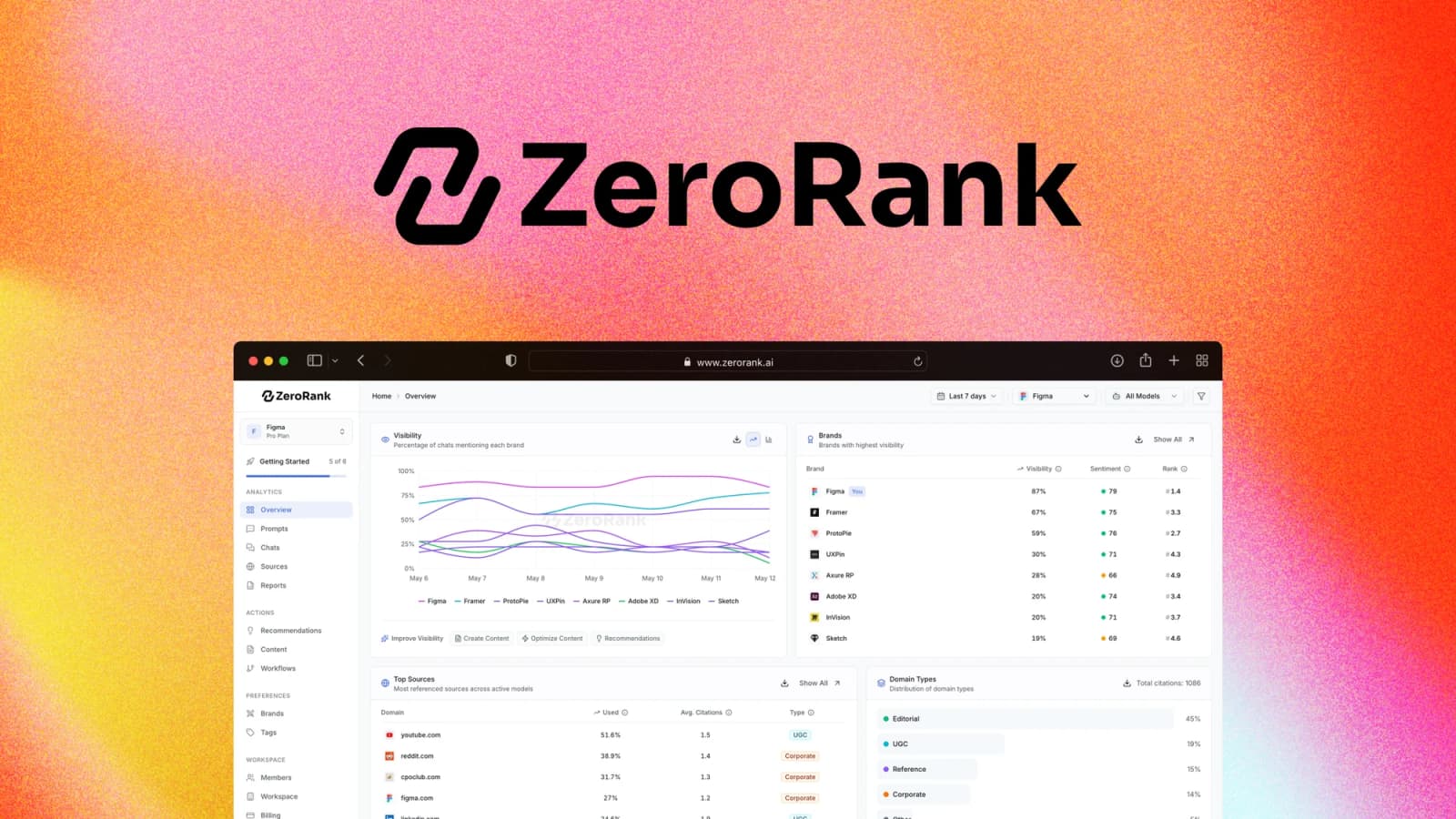
ZeroRank AI is currently listed on AppSumo as a lifetime deal for tracking and improving brand visibility in AI-generated answers. The product site says it monitors mentions, positions, citations, sentiment, and competitor benchmarks across AI models. That makes the deal worth a closer look for small teams testing generative engine optimization, but only if the plan limits match the prompts, markets, and engines they actually need.
Key takeaways
- AppSumo lists ZeroRank AI as a lifetime deal for AI answer visibility, not a full traditional SEO suite.
- ZeroRank's own site describes tracking for mentions, positions, citations, sentiment, and competitor benchmarking.
- The practical use case is prompt-based monitoring: watch how AI assistants describe your brand, competitors, and source citations over time.
- The risk is plan mismatch: engine coverage, query credits, refresh frequency, exports, and historical data matter more than the headline lifetime price.
- AI visibility tracking is now a crowded category, so compare ZeroRank with dedicated tools such as Radarkit, Peec AI, LLMrefs, Otterly AI, Ahrefs Brand Radar, and Semrush AI Toolkit before buying.
| Option | Best use | Limitation | Source |
|---|---|---|---|
| ZeroRank AI AppSumo deal | Low-cost test of AI citation and competitor tracking | Deal terms and limits must be checked on AppSumo before purchase | AppSumo, ZeroRank |
| Radarkit-style dedicated trackers | Broader AI visibility workflows and content optimization | Usually recurring SaaS pricing | Radarkit market guide |
| Traditional SEO suites with AI modules | Teams already using SEO reporting workflows | AI features may be add-ons or limited by plan | Market context |
| Manual prompt checks | Quick spot checks before buying software | No history, alerts, or reliable competitor tracking | LinkLoot analysis |
Practical LinkLoot angle
Use the deal as a measurement experiment, not as a replacement for your SEO stack on day one. Pick 25 to 50 commercial prompts, include competitor names, and record whether the tool separates brand mentions from cited URLs. If it only tells you that you appeared somewhere, it is less useful than a tracker that shows the exact prompt, model, cited source, ranking position, and sentiment change.
The strongest budget workflow is simple: track prompts weekly, export the answers, list the domains AI systems cite, then improve the pages that should be cited but are missing. That turns AI visibility from a dashboard habit into a publishing queue.
What to verify before you act
Check the AppSumo plan table before buying. The important fields are monthly prompt/query credits, supported AI engines, refresh frequency, number of projects, competitor limits, export access, historical retention, and whether future updates are included.
Run a trial-style validation if the deal terms allow it. Test your own brand, one competitor, and five buyer prompts where you already know the desired answer. If the tool cannot capture the AI responses you care about, the lifetime discount will not fix the workflow.
Confirm refund and account terms directly on AppSumo. Lifetime deals can be useful, but they often trade recurring cost for limits, roadmap risk, or plan-name ambiguity.
Its site says it tracks AI search mentions, positions, citations, sentiment, and competitor benchmarking across AI models.
If you are comparing budget tools, keep this next to LinkLoot's guide to lifetime software deals and treat the first month as a validation window.
Share your own knowledge as loot
Request access to the guided creator beta and get feedback on your first submission.