OpenAI brings ChatGPT advertising tools to marketers


OpenAI is introducing advertising inside its ChatGPT ecosystem, including Sponsored Agents and tools for marketers. The announcement appears in OpenAI’s News RSS feed on September 16, 2026; HubSpot’s documentation independently confirms a beta integration for connecting ChatGPT Ads accounts, creating campaigns, tracking clicks, and attributing contacts and deals.
What OpenAI is adding to ChatGPT advertising
OpenAI’s announcement describes Sponsored Agents as part of a broader set of AI-powered advertising experiences. It also names marketer tools and integrations with HubSpot and Shopify. The source does not establish that every advertised experience is generally available, so this article treats the rollout as announced rather than universal access.
The shift matters because the ad surface sits inside a conversational product. A user can ask for help, receive an answer or recommendation, and potentially encounter a sponsored experience in the same workflow. That makes disclosure, targeting, measurement, and the boundary between organic assistance and paid placement practical product questions—not details to leave to a later marketing page.
HubSpot documents a working beta path
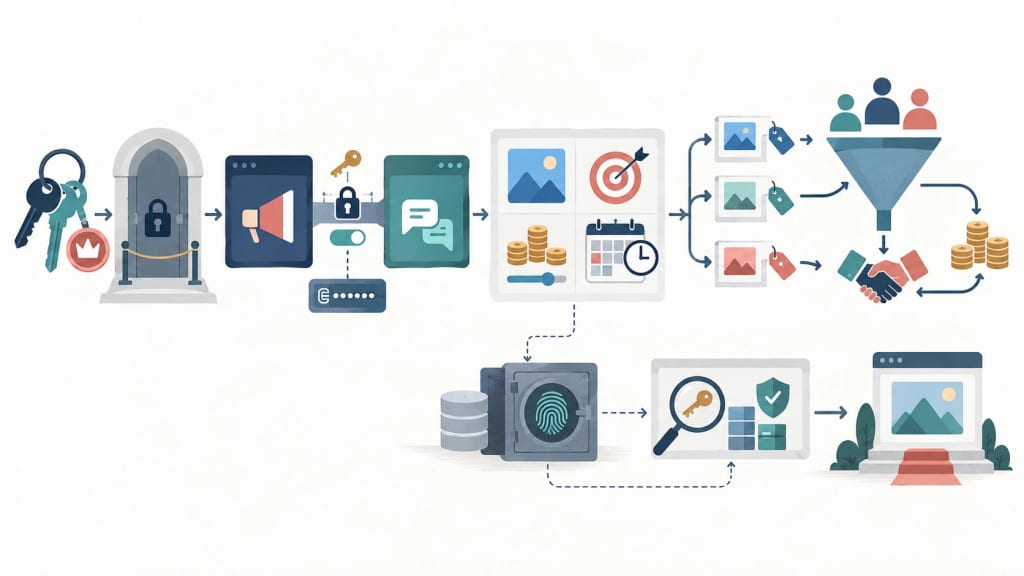
HubSpot’s current documentation provides the clearest operational detail. Super Admins can opt an account into the ChatGPT Ads beta, connect a ChatGPT Ads account in the Ads tool, and create campaigns with creative, targeting, budget, and schedule controls. HubSpot can append UTM parameters and report which contacts and deals resulted from ChatGPT ad spend.
The integration requires Ads publishing permissions and an active ChatGPT Ads account with an API key from the OpenAI Ads dashboard. HubSpot also says the integration can manage the connected account after OAuth authorization and stores the ChatGPT Ads account ID. Those permissions and data-handling details should be reviewed before a team connects production advertising accounts.
Availability, limits, and the open questions
The evidence supports a beta workflow, not a blanket launch across all ChatGPT users or advertisers. OpenAI’s announcement names the product direction and partner integrations; HubSpot specifies its own beta access and account requirements. Neither source establishes universal geographic availability, pricing, inventory, ranking behavior, or whether Sponsored Agents are shown in every ChatGPT plan.
For marketers, the immediate change is an additional campaign surface with first-party attribution tooling. For ChatGPT users, the unresolved issue is how sponsored recommendations will be labeled and separated from answers. OpenAI’s Advertising Terms, Terms of Use, and Privacy Policy apply to the integration, and HubSpot explicitly points administrators to those documents.
Practical checks for teams
Before testing the beta, confirm that the intended HubSpot users have Ads publishing permissions, decide whether auto-tracking fits the organization’s attribution policy, and document which account data the OAuth connection can access. Treat early performance results as channel-specific: a tracked click or deal does not by itself show that a sponsored placement improved the underlying recommendation or customer outcome.
The next useful milestone is broader documentation from OpenAI covering eligibility, labeling, placement rules, and availability by market. Until then, teams should describe ChatGPT Ads as an announced product with a documented HubSpot beta path—not as a universally available advertising network.
Sources
Try the related loot
Give OpenClaw Agents Pre-Verified Web Actions with Actionbook