
Vercel adds Z.ai GLM-5.3 FlashX to its AI Gateway


Vercel now exposes Z.ai's GLM-5.3 FlashX through AI Gateway, with a stated serving speed of about 200 tokens per second and built-in routing, usage tracking, and fallbacks.
Vercel now serves Z.ai's GLM-5.3 FlashX through AI Gateway. Vercel describes FlashX as a high-speed serving option for the multimodal coding model, with inference at about 200 tokens per second. Developers can call it as zai/glm-5.3-flashx through supported API formats and coding-agent integrations.
The change gives teams another route to GLM-5.3 without wiring a provider-specific endpoint into every application. Vercel says AI Gateway provides usage and cost tracking, retries, failover, performance controls, custom reporting, budgets, and routing rules. It also says the gateway mirrors provider pricing without adding an inference markup.
What Vercel's FlashX route changes
The practical difference is serving and access. FlashX is positioned for streamed responses, coding-agent tool loops, and interactive applications where latency is visible to the user. Vercel's page names the model identifier, shows it in the AI Gateway playground, and documents setup for supported coding agents.
That is a distribution change rather than a new GLM generation. Z.ai's documentation identifies GLM-5.3 as its flagship model and describes a 1M-token context window, up to 128K output tokens, and reasoning levels of low, high, and max. Z.ai also says GLM-5.3 is available to GLM Coding Plan users and can be used with coding agents.
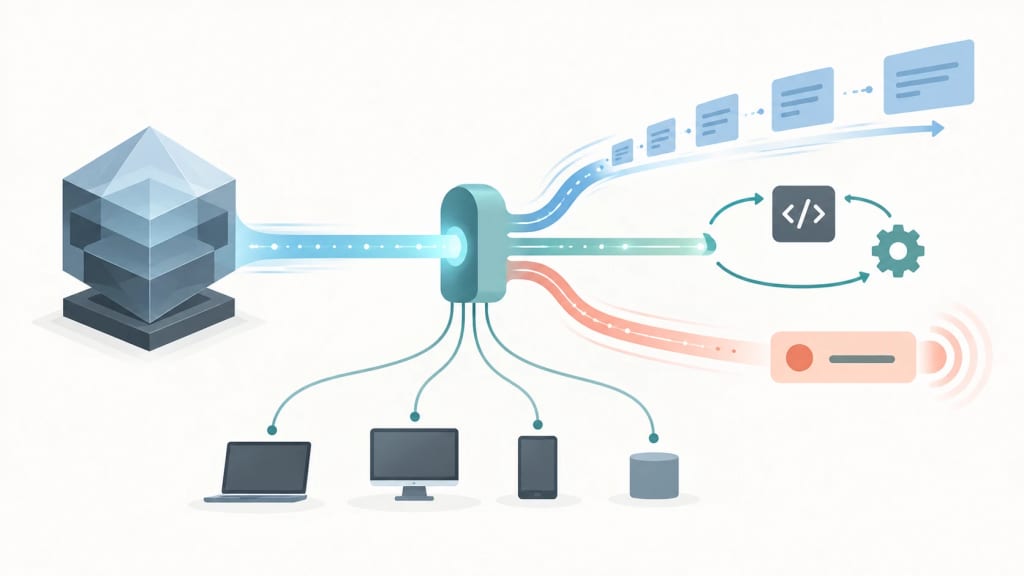
Where the model fits in agent workflows
The route is most relevant to teams already using Vercel's gateway layer for provider selection, observability, or fallback handling. A single gateway key can reduce the integration work required to compare GLM-5.3 FlashX with other coding models, while the stated throughput target is aimed at shorter feedback loops during generation and tool use.
Teams should still verify the details that matter in production: the effective provider price, regional availability, context and output limits on the selected route, tool-calling behavior, rate limits, and the data-handling terms that apply to the chosen account and model path. Vercel's gateway controls do not make those provider-specific constraints disappear.
Availability and verification notes
Vercel's current changelog entry lists zai/glm-5.3-flashx for AI Gateway and points users to its model playground and coding-agent setup. Z.ai's model documentation is the reference for the GLM-5.3 family, supported reasoning settings, context limits, and migration details.
For a real migration, start with a representative coding task and the same tool schema used in the existing agent. Compare first-token latency, total completion time, tool-call reliability, token usage, and failure behavior under the gateway's retry and fallback settings. The useful milestone here is that FlashX is now reachable through a general model gateway; the final choice still depends on workload and account-level terms.
Evidence
This article is based on Vercel's official changelog and Z.ai's official GLM-5.3 developer documentation. Vercel's page is the primary source for the AI Gateway availability and stated serving speed; Z.ai documents the model family's capabilities and access conditions.
Try the related loot
Give OpenClaw Agents Pre-Verified Web Actions with Actionbook