NVIDIA opens Medical Physics Simulation for healthcare robotics


NVIDIA has open sourced a GPU-accelerated Medical Physics Simulation framework inside Isaac for Healthcare, pairing classical physics with Cosmos-H Dreams for surgical robotics training and evaluation.
NVIDIA has open sourced Medical Physics Simulation, a GPU-accelerated framework inside Isaac for Healthcare that targets one of the hardest parts of medical robotics: training systems on physical interactions that are rare, risky, expensive, or impossible to collect at scale. The release matters because it turns surgical and interventional robot training from isolated simulation projects into reusable infrastructure with inspectable code, model weights, and reference workflows.
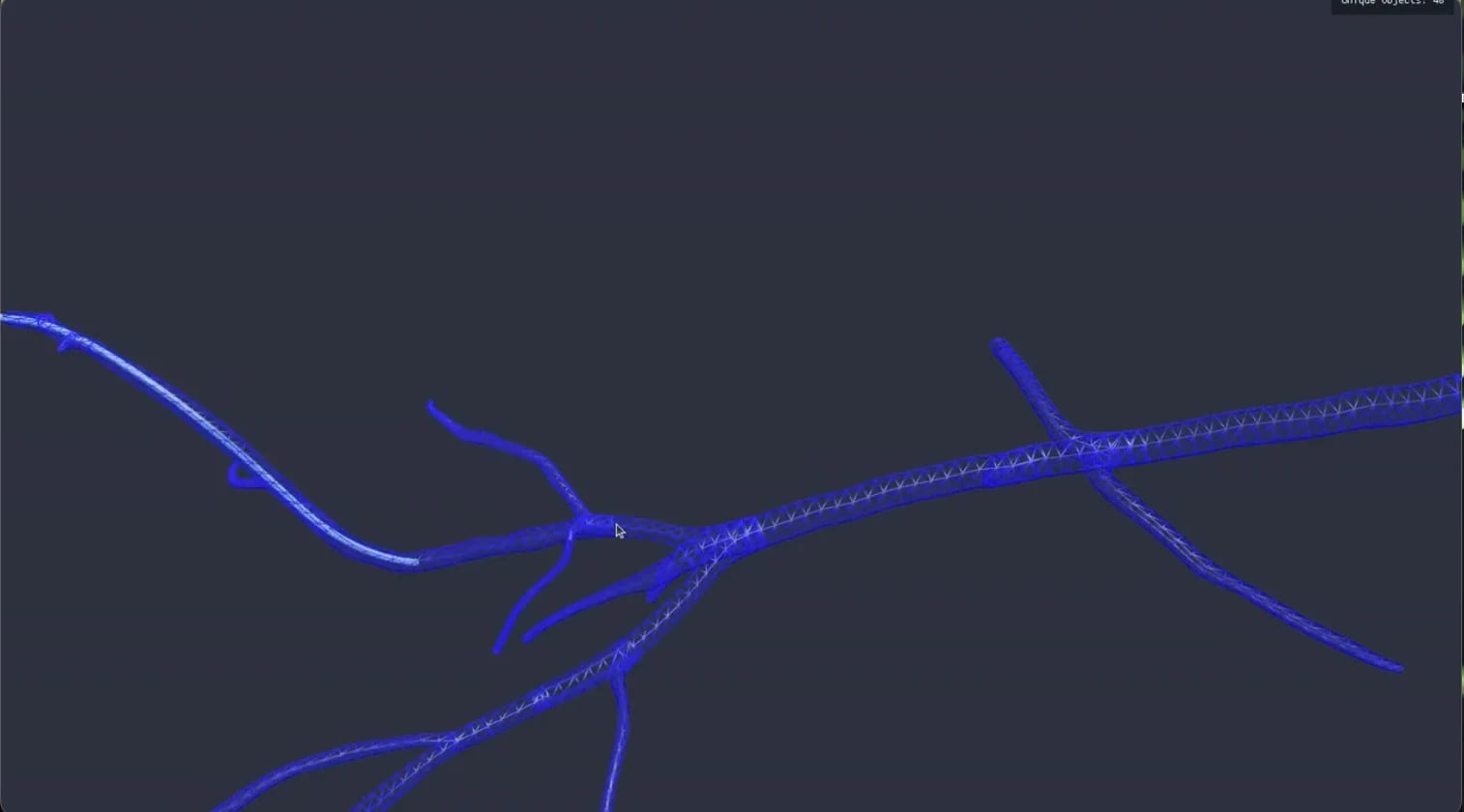
The framework combines classical simulation for contact, friction, flexible instruments, anatomy, and sensors with NVIDIA Cosmos-H Dreams, a generative physics component for learned visual scene dynamics. That mix is aimed at teams building surgical robots, catheter systems, synthetic imaging workflows, and policy models that need to fail safely in virtual environments before hardware-heavy testing.
Medical Physics Simulation targets the robotics data bottleneck
Healthcare robotics teams need varied examples of anatomy, device behavior, imaging noise, and edge cases. Real procedures do not provide those examples on demand, and collecting enough clinical data can be slow, sensitive, and unevenly distributed across sites.
NVIDIA frames Medical Physics Simulation as a way to generate and evaluate those scenarios before real-world deployment. In the official announcement, the company says the framework can model anatomy-device interaction, generate hard-to-capture scenarios, run in silico tests, and train or evaluate robot policies inside Isaac for Healthcare.
The useful shift is not just that simulation exists. The practical change is that NVIDIA is packaging GPU-native simulation, medical sensor simulation, robot learning, and Cosmos-based generative dynamics into a common stack. For developers, that can reduce the need to rebuild custom scenes for every surgical workflow.
Cosmos-H Dreams adds learned visual scene dynamics
The release has two layers. Classical physics handles known mechanics such as contact, friction, instrument motion, and sensor inputs. Cosmos-H Dreams adds a learned, real-time generative physics layer for visual scene dynamics, which NVIDIA says is trained from procedural data.
That distinction matters for surgical robotics. A catheter, guidewire, or soft-tissue tool does not only need collision math; it also needs realistic visual feedback under changing anatomy, sensor views, and action sequences. NVIDIA says benchmarked GPU-native simulation can run 8,192 robot-training environments in parallel and cut one training example from more than five hours to under two minutes.
The public repository also shows this is developer infrastructure, not a finished clinical product. Cosmos-H-Surgical includes Predict and Transfer sub-projects, setup docs, Docker paths, performance numbers, and separate license terms for source code, legacy weights, and OpenMDW-1.1 checkpoint editions.
Early partners are using it for surgical and catheter workflows
NVIDIA names several early healthcare robotics partners. CMR Surgical and Cambridge Consultants are using Cosmos-H Dreams to model soft-tissue surgical procedures and generate patient-specific simulations, with CMR contributing anonymized clinical data from its Versius Surgical Robotic System to the Open-H Embodiment dataset.
Johnson & Johnson MedTech is using Isaac for Healthcare's Medical Physics Simulation and a Cosmos-based foundation model to build digital twins for the MONARCH platform in urology. XCath is using the framework for endovascular autonomy policy training, while Medtronic Structural Heart is exploring simulated X-ray sensing for catheter navigation research.
Those partner examples are the strongest evidence that this is more than a demo. They show the intended deployment lane: robotics teams that need synthetic data, policy evaluation, device-specific simulation, and reproducible evidence before they move deeper into lab or regulatory work.
Access, licenses, and caveats
The code is available through NVIDIA's MedTech GitHub organization, with Apache 2.0 source licensing listed in the repository. The model weights are not all under the same terms: the repository separates legacy checkpoint licenses from OpenMDW-1.1 checkpoint editions, so teams should check the exact model path before using the weights commercially or in regulated work.
Hardware requirements are also real. The repository lists NVIDIA Ampere-or-newer GPUs, Linux x86-64, CUDA 12.8+, and Python 3.10 for Cosmos-H-Surgical. That makes the release most relevant to robotics labs, healthcare device companies, and simulation-heavy AI teams rather than casual builders.
For LinkLoot readers tracking physical AI, the signal is clear: NVIDIA is pushing world-model infrastructure into a regulated, high-consequence domain where reproducibility and evidence matter. The next useful check is whether independent labs can reproduce the training speedups, validate the generated surgical dynamics, and adapt the framework beyond NVIDIA's highlighted partner workflows.
Sources and methodology
This post uses NVIDIA's July 22 announcement as the primary source, then checks the public NVIDIA-Medtech GitHub repository, MassDevice's independent report, and CMR Surgical's partner announcement for corroboration. Source text was treated only as factual input; claims about medical utility, licensing, and deployment readiness were kept narrower than the vendor framing.
Try the related loot
Scrape Changing Websites with Anansi Self-Healing Selectors and MCP