OpenAI Codex 0.154.0 adds GPT-6-Astra and safer workflows


Codex 0.154.0 adds GPT-6-Astra to its model catalog, introduces managed worktrees and inline answers, and expands Windows sandbox and MCP authentication work.
OpenAI’s Codex 0.154.0 release combines a model-catalog update with changes that affect how coding sessions are organized, resumed, authenticated, and sandboxed. The release notes list GPT-6-Astra in the model picker and Amazon Bedrock catalogs, alongside managed worktrees, inline answers, and a substantial Windows server and sandbox foundation.
GPT-6-Astra enters the Codex catalog
Codex 0.154.0 adds GPT-6-Astra to the bundled model catalog and states that it is available in the model picker and Amazon Bedrock catalogs. The release page does not describe model performance, pricing, regional rollout, or entitlement details, so those should be checked in the relevant product or provider interfaces before teams plan around access.
The npm Registry independently lists @openai/codex with latest set to 0.154.0, plus platform-specific distributions for macOS, Linux, and Windows. That confirms the release is represented in Codex’s public package distribution, while the GitHub notes remain the authoritative source for the feature list.
Managed worktrees change parallel coding sessions
Experimental worktree support lets users create isolated checkouts for new or forked sessions with --worktree or /worktree. The release also adds managed worktree creation to codex exec, lets users list managed worktrees, and preserves target-native working directories during resume and fork operations.
For repositories where several agent tasks run in parallel, this reduces the need to prepare separate checkouts manually. It is still marked experimental in the release notes, so teams should validate cleanup, branch naming, and permission behavior in a disposable repository before making it part of a production workflow.
Windows gets a broader daemon and sandbox foundation
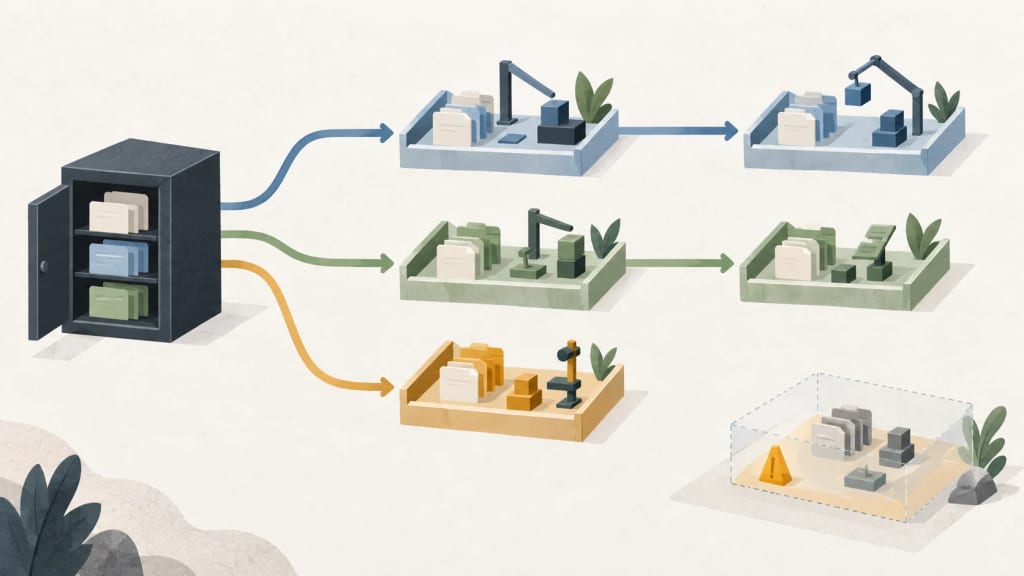
Windows sessions can share a background Codex server, with daemon lifecycle commands and managed updates. The release includes Windows sandbox provisioning, authenticated sandbox clients, service lifecycle scaffolding, cleanup on uninstall, and controls for inherited write access and control-socket rendezvous.
These entries indicate a major expansion of the Windows execution path, but several are described as experimental or preparation work. The notes do not establish that every sandbox capability is generally available on every Windows installation. Operators should confirm the installed build’s behavior and policy requirements locally.
MCP authentication and session controls tighten up
Codex now coordinates MCP OAuth token refreshes and surfaces login challenges when refresh fails without automatically replaying rejected tool calls. Other changes preserve saved permissions across remote resume and fork operations, refresh plugin tools after external upgrades or rollbacks, and prevent workspace-controlled helpers from running before trust is established.
Together, these changes target common failure points in long-running agent workflows: stale credentials, ambiguous authorization, unsafe startup hooks, and sessions that outlive the environment in which they began. The release is available as version 0.154.0; the remaining question for each user is which platform build and experimental features their installation exposes.
Sources and limits
Try the related loot
Deterministic memory for AI agents that tracks current facts and reports freshness